We live surrounded by images. Every day, young people consume hundreds of videos, photographs, advertisements, series, and social media content that influence how they understand the world, relate to others, and construct their own identities. Yet, they are rarely taught to understand how these images work or to question the messages they convey.
At the Basque Country Film School (ECPV), we believe that audiovisual literacy is a fundamental 21st-century skill. Just as we learn to read, write, or interpret a text, we also need to learn to read the images around us, understand how they are constructed, and develop a perspective capable of analyzing them with discernment, sensitivity, and responsibility.
Our Audiovisual Literacy Campus was created with this very purpose: to turn cinema and audiovisual language into educational tools that spark critical thinking, creativity, and the capacity for self-expression among young people.
This project also benefits from the collaboration of the Rural Kutxa Foundation, with whom the ECPV has signed an agreement to promote audiovisual training for students. Their support helps fund the materials needed for activities and facilitates access to the program by offering a discount on tuition fees. It is a partnership rooted in a shared vision: bringing audiovisual culture closer to more young people and making quality education more accessible.
Here, students do more than just learn to analyze a film or an advertisement; they learn to ask questions. They discover how a story is built, how an image can evoke emotion, persuade, or manipulate, and how audiovisual media can become a means of expressing their own voices.
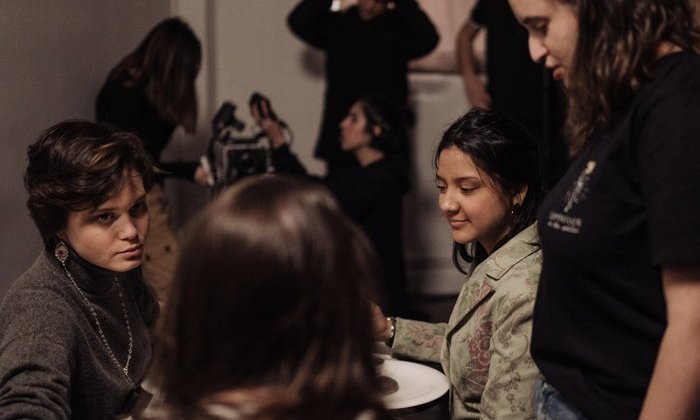
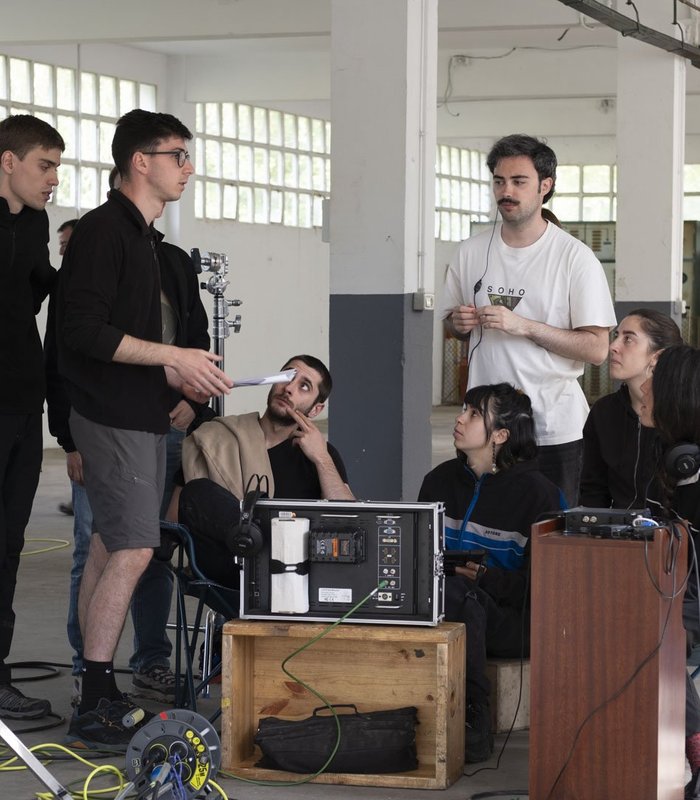
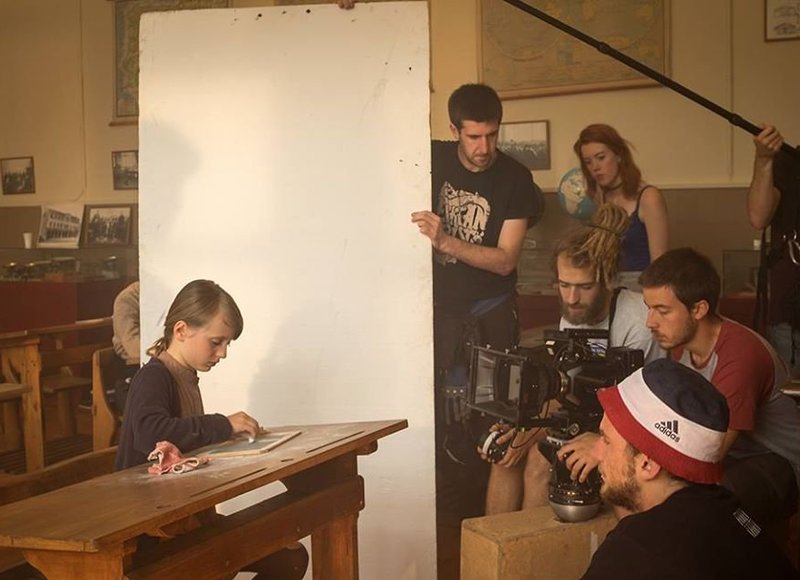
We work through hands-on practice, reflection, and collaborative creation, because we believe the best way to understand an image is to learn how to create one. Through short exercises in filmmaking, film analysis, and audiovisual creation, students discover that cinema is not merely entertainment—it is culture, a form of thought, and a powerful tool for understanding the society in which they live.
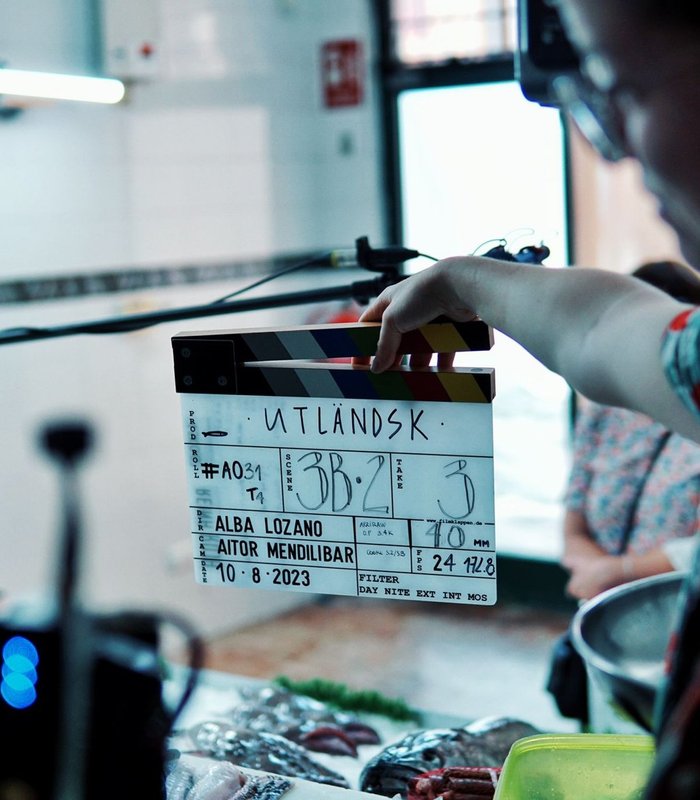
Our program, tailored to secondary and high school students, aligns with LOMLOE objectives by integrating critical thinking, media literacy, gender equality, and audiovisual creation as cross-curricular elements of learning. All of this is delivered through a practical, participatory methodology adapted to the specific needs of each school. ECPV
Because film education is not just about training future filmmakers.
It is about shaping individuals capable of observing closely, interpreting freely, and creating responsibly.
Because those who learn to read an image also learn to better understand the world.
✔ Image Analysis and Audiovisual Narrative: Learn to interpret what they see beyond the obvious.
✔ Critical Thinking: Identify bias, stereotypes, and underlying messages in film, advertising, and social media.
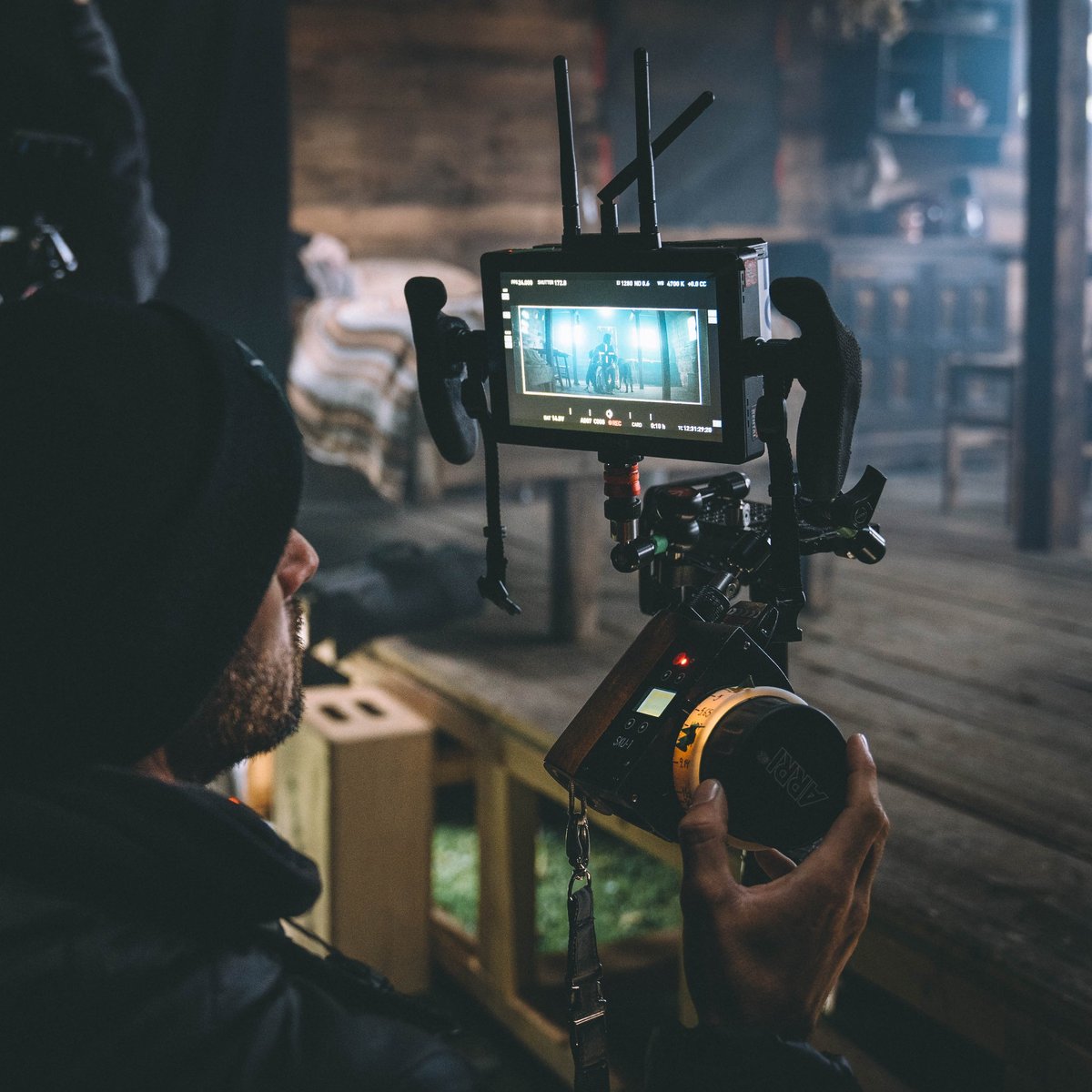
✔ Creative Practice: Hands-on production of audiovisual content with a reflective and socially conscious approach.
✔ Gender Perspective: In line with the LOMLOE Educational Law, we address equitable representation in the media.
🔍 Who Is This Workshop For?
Aimed at secondary and high school students, this program promotes visual literacy as a key skill in contemporary education, strengthening their ability to navigate the digital age with awareness.
💡 Let’s transform the way young people consume and create images.
Solicitar Información
Request all the information by filling out the contact form, sending us an email, calling us by phone, or visiting us in person.
Contacts


Ver mapa
Customer service schedule
- From Monday to Friday:
9:30 a.m. to 2:00 p.m. and 3:00 p.m. to 6:00 p.m. - Saturdays and Sundays closed